ascendantprime
Forum Noob
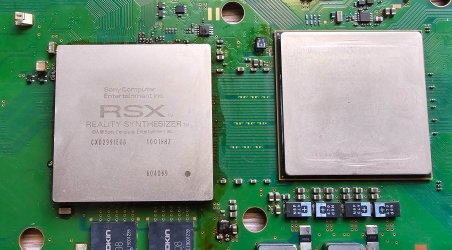
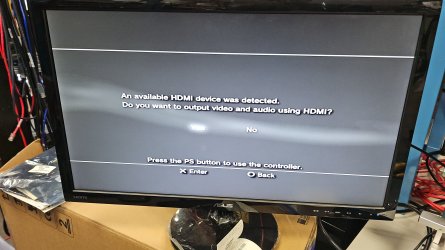
I managed to resurrect a ceche01 ps3 from ylod with my hot air station a couple weeks ago and did thermals, and installed hen and eventually evilnat and was getting random crashing during anything intensive with the 3 beeps and i figured it was overheating still and maybe nec tokins are bad, so i delidded a couple days ago and replaced paste under the ihs on the rsx and cell, and it started running great and i could play ps3 games and ps2 games for longer than like 30 mins, it crashed again a couple days ago, thought nothing of it and today i tried booting so i could dump syscon logs to properly diag, and it was ylod again, so i pulled it back apart and reflowed it again(this time with flux i have no idea why i didnt the first time) but i did it without the ihs on both the cell and rsx and so far it is working great.
long story short i dumped the syscon logs and now it is showing me signs not only the rsx is failing but also the nec tokins are failing with 1001, 1002 and also 3034 and 4421 codes, but im also confused as its showing as 2006 being when the codes where thrown, it is a free console that was dead since 2012, should i pray it lasts longer this time, and should i even look into fixing it rather than just get a slim and mod it if both the rsx and tokins need to be replaced? should i wait for it to ylod again to hopefully get a better log? replacing the rsx and tokins are something im capable of doing and have the tools i need like bga rework station at work and all the other soldering stuff i need here at home, but i cant even find 40 or 45nm rsx chips and i dont wanna murder good consoles if im gonna need to spend another 80 bucks on capacitor tantalizer boards. full logs in picture. thankful for any tips yall have.

long story short i dumped the syscon logs and now it is showing me signs not only the rsx is failing but also the nec tokins are failing with 1001, 1002 and also 3034 and 4421 codes, but im also confused as its showing as 2006 being when the codes where thrown, it is a free console that was dead since 2012, should i pray it lasts longer this time, and should i even look into fixing it rather than just get a slim and mod it if both the rsx and tokins need to be replaced? should i wait for it to ylod again to hopefully get a better log? replacing the rsx and tokins are something im capable of doing and have the tools i need like bga rework station at work and all the other soldering stuff i need here at home, but i cant even find 40 or 45nm rsx chips and i dont wanna murder good consoles if im gonna need to spend another 80 bucks on capacitor tantalizer boards. full logs in picture. thankful for any tips yall have.